
What’s the Difference Between Tirze and Sustainable Weight Management?
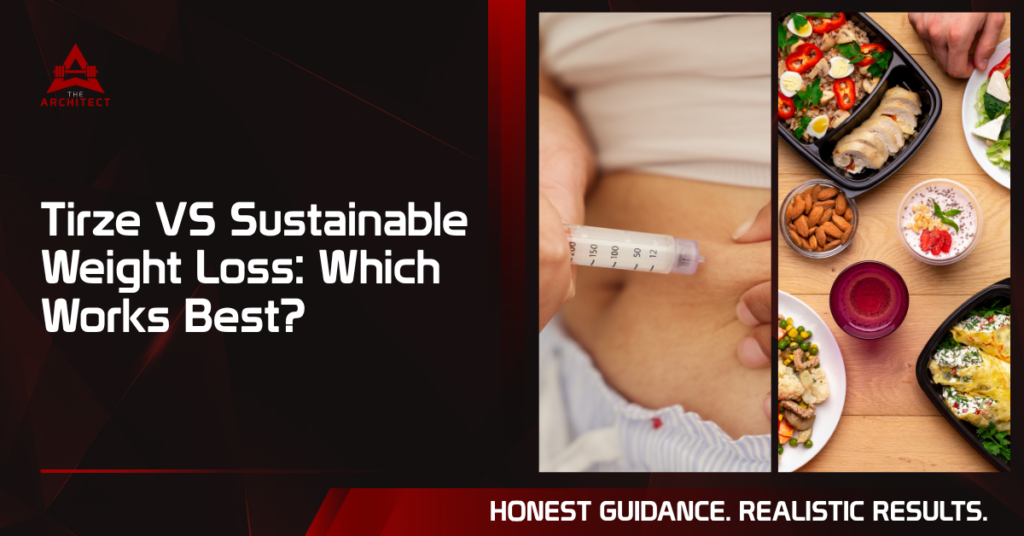
Weight loss medications like Tirzepatide have become one of the most talked-about topics in health and wellness, and for good reason: the results some people see can be dramatic. Tirze, in particular, has drawn attention for the amount of weight people can lose while using it.
At the same time, a growing number of people are asking a more important question: what happens after the medication stops, or after the “quick fix” phase ends? This is where the conversation naturally turns to a sustainable weight loss diet and whether it can compete with, or work alongside, medication-based approaches.
What Is Tirzepatide, and How Does It Work?

Tirzepatide is a prescription medication originally developed to manage blood sugar in people with type 2 diabetes. Over time, it became widely recognized for its impact on appetite and body weight, and it’s now also prescribed specifically for weight management under a different brand name.
As a GLP-1 weight loss medication, tirzepatide works by:
- Mimicking hormones in the gut that regulate hunger, digestion, and blood sugar
- Helping people feel fuller for longer
- Reducing the urge to overeat
Tirzepatide weight loss results reported in clinical studies have been significant, with many participants losing around 10% of their total body weight within an 8 month period. This has made tirzepatide one of the most widely discussed tools in modern weight management, especially for people who have struggled to lose weight through diet and exercise alone.
The Appeal of a Medication-First Approach
It is simple to see why tirzepatide is so well-known. A drug that stops hunger, cravings, or a slow metabolism can feel like a big step forward for people who have been fighting these problems for years.
Many people who are trying to lose weight say that tirzepatide makes food less of a mental battle, which makes it easier to eat in moderation without having to rely on willpower alone. However, tirzepatide isn’t a cure in and of itself.
Health care professionals usually say that it should be used along with better eating and exercise, not instead of those things. This is a key difference because it means that even people who are taking medicine to lose weight still need some kind of long-term diet to keep the weight off.
What Does a Sustainable Weight Loss Diet Actually Look Like?
A sustainable weight loss diet isn’t about eliminating food groups, following extreme restriction, or chasing rapid results. Instead, it focuses on:
- Eating the correct amount of food(macronutrients) and fiber to feel satisfied
- Managing portion sizes without obsessing over every calorie
- Building meals around whole, minimally processed foods most of the time
A person can actually stick to this way of eating for years, not just weeks. These are not at all the same as short-term dieting, where motivation and willpower tend to fade over time. Because it’s based on habits rather than intensity, this way of eating is meant to work even on days when you don’t feel like it.

Sustainable Fat Loss vs. Fast Results
There’s an important difference between rapid weight loss and sustainable fat loss.
- Rapid weight loss, whether from medication, extreme dieting, or both, can produce dramatic numbers on the scale in a short period
- Gradual, steady progress is more likely to reflect actual fat loss rather than water weight or muscle loss
When you choose the best way to lose weight in a way that will last, you usually have to be okay with going at a slower pace. This trade-off can be frustrating for people who want to change quickly, but it usually pays off in the long run, especially for people who have lost and gained weight many times before.
Can Tirzepatide and Sustainable Habits Work Together?
Many health professionals see tirzepatide and a sustainable weight loss diet as complementary, rather than competing, approaches, not an either/or decision. Medication can reduce appetite and food-related stress to the point that it’s easier to embrace healthier eating, while sustainable habits provide the structure to maintain results should (or when) medication use change.
A few common paths people take:
- A GLP-1 weight loss drug like tirzepatide as part of the plan all the time, especially for people with more complicated metabolic conditions
- Diet, exercise, and changes to your lifestyle are all sustainable ways to lose weight that don’t involve drugs.
- A middle ground where medication is used for a set amount of time to get things going and then habits keep the results going.
The right approach isn’t universal, and it often depends on individual health history, goals, and what’s realistic for someone to maintain long-term.
Why Long-Term Thinking Matters More Than Quick Results
Whether or not medication is part of the picture, the real key to whether results last is the habits you build up along the way.
Eating this way teaches you skills that don’t go away when a prescription runs out:
- How to prepare balanced meals
- How to curb hunger without starving yourself
- How to be consistent despite life’s normal ups and downs
In fact, many long-term success stories, whether they used medication or not, have one thing in common: They built their success on habits, not quick fixes. Tirzepatide may accelerate progress, but it’s the long-term weight loss strategies that work with it that maintain progress.
Making the Right Choice for You
There’s no one answer that is “better” and effective for everyone. For some, medication is an important part of a bigger plan. For others, diet, exercise, and sticking to the plan are all they need to see long-term results.
You should look for a method that fits your health needs, your way of life, and your ability to keep it up after the first few months. One thing that everyone should remember is that the best way to lose weight in a healthy way, whether they use medication or not, is to make healthy habits that last.
Weighing the Different Options
| Tirzepatide | Diet-Based Approach | |
| Medical involvement | Requires a prescription and continued supervision by a healthcare provider | No medical oversight required |
| Side effects | Nausea or changes in digestion are common, especially during the early stages of treatment. In rare instances, may induce thyroid related anomalies. | No medication-related side effects |
| What it asks of you | Medical supervision and modification over time | Time and consistency |
| Ease of results | It’s not always easier; there are costs that come with it. | Not necessarily easier, requires more patience to see comparable results |
Signs Your Current Approach Isn’t Sustainable
Not sure if the way you’re losing weight will work in the long run? Before people give up or gain the weight back, they often show these warning signs:
- You’re tired, hungry, or thinking about food all the time.
- It’s hard to picture yourself carrying out your plan in five years.
- To make progress, you have to follow strict rules that don’t work when life gets busy.
- You’ve lost weight more than once and gained it back.
- Results came quickly, but they also started going backward very quickly.
These signs do not mean you have failed. They usually mean the approach wasn’t designed for habits that fit your real life. If you pick up on these patterns early, you can switch to something more sustainable before frustration takes hold.
What to Look for in a Long-Term Weight Loss Plan
Whether or not medication is part of the picture, a plan worth sticking with usually shares a few traits:
- And it’s adaptable to real life, not just ideal conditions.
- It’s about habits and consistency over short-term intensity.
- It doesn’t mean cutting out whole groups of food for good.
- It’s not a cookie-cutter approach but one that takes into account your unique health history and lifestyle.
- It has a clear plan for what happens after the initial results, not just how to get there.
A plan that meets these criteria is much more likely to produce results that last for months and years, not just weeks.
FAQs
Is tirzepatide better than diet and exercise for weight loss?
It’s different for each person. For many people, tirzepatide can help them lose weight more quickly than making changes to their diet and exercise routine. However, most doctors still say that people should combine this drug with better eating and exercise habits instead of just taking it by itself.
Do you gain weight back after stopping tirzepatide?
People who stop taking tirzepatide often gain it back, and research shows that a big chunk of the weight they lost usually comes back within a year if they don’t make changes to their lifestyle. This is one of the main reasons why long-lasting habits are important, even if medication isn’t used.
What is considered a sustainable way to lose weight?
Generally, a sustainable approach involves gradual, consistent changes to eating and activity that a person can maintain long-term, rather than extreme restriction or rapid short-term results that are difficult to sustain.

Ready to Build Habits That Last?
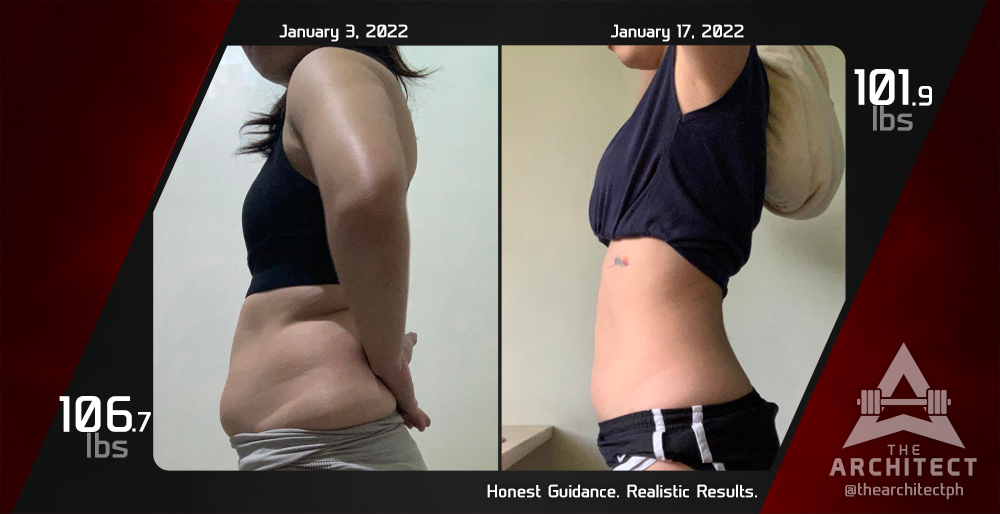
At The Architect PH, we help people create sustainable eating habits that lead to real, lasting body transformation, with or without the use of medication on your journey. For over 9 years we’ve helped thousands of clients lose weight and keep it off for good.
If you’re ready to go for a plan based on sustainability and permanence instead of quick fixes, contact The Architect PH and let’s create a plan that works for your life.
Ready to build habits that actually last? Let’s talk.
 Contact Us
