
Irregular periods. Acne. Unwanted hair growth. Difficulty losing weight. Difficulty getting pregnant.
For millions of women, these aren’t separate problems. They can be signs of Polyendocrine metabolic ovarian syndrome (PMOS), formerly called PCOS, a hormonal and metabolic condition that is far more common than many people realize.
PMOS(PCOS) Is More Common Than You Think
PMOS affects an estimated 10–13% of women of reproductive age worldwide—roughly 1 in 8. Even more concerning, the World Health Organization estimates that up to 70% of women with PMOS may not know they have it and is also one of the leading causes of infertility because it can interfere with normal ovulation.
And it’s not simply an ovarian problem.
Women with PMOS have increased risks of insulin resistance, type 2 diabetes, obesity, high blood pressure and other metabolic complications.
So what does food have to do with hormones?
Your Hormones Don’t Work in Isolation
PMOS involves complex interactions between reproductive hormones and metabolism.
Insulin resistance is common in PMOS. When the body’s ability to regulate blood glucose is impaired, it can contribute to hormonal disturbances, including increased androgen activity and problems with ovulation.
This is where proper nutrition becomes important.
A sustainable eating pattern can help improve overall metabolic health, support healthy body composition and help manage some of the factors associated with PMOS.
It’s Not Just About Losing Weight
This distinction matters.
Healthy eating can be beneficial even when the goal isn’t simply to make the number on the weighing scale smaller. WHO specifically notes that healthy lifestyle behaviors are important for women with PMOS even when they don’t result in weight loss.
The objective is to improve the environment in which your body is functioning:
better nutrition → better metabolic health → healthier body composition → potentially better hormonal function and symptom management.
That doesn’t mean nutrition magically “cures” PMOS.
It means that what you consistently eat can become part of managing the condition rather than fighting against your body’s metabolism.
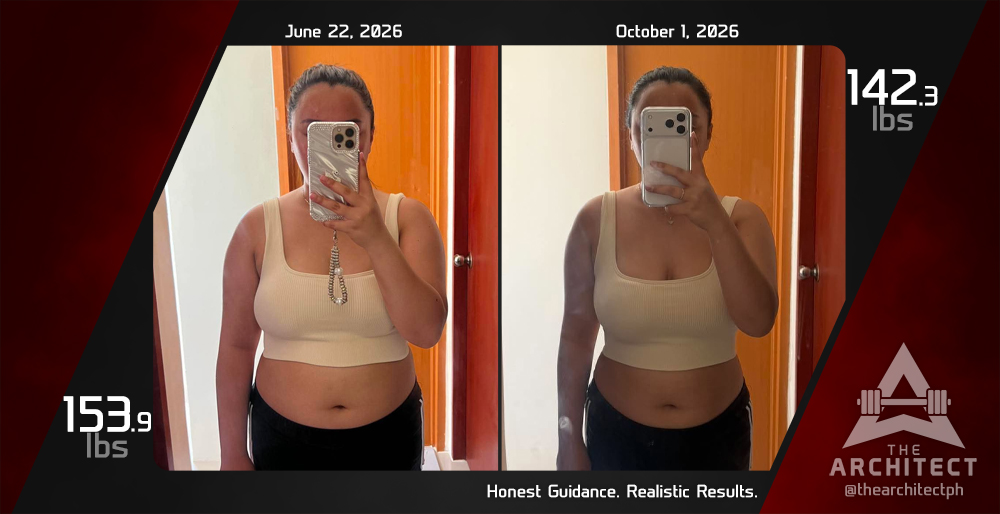
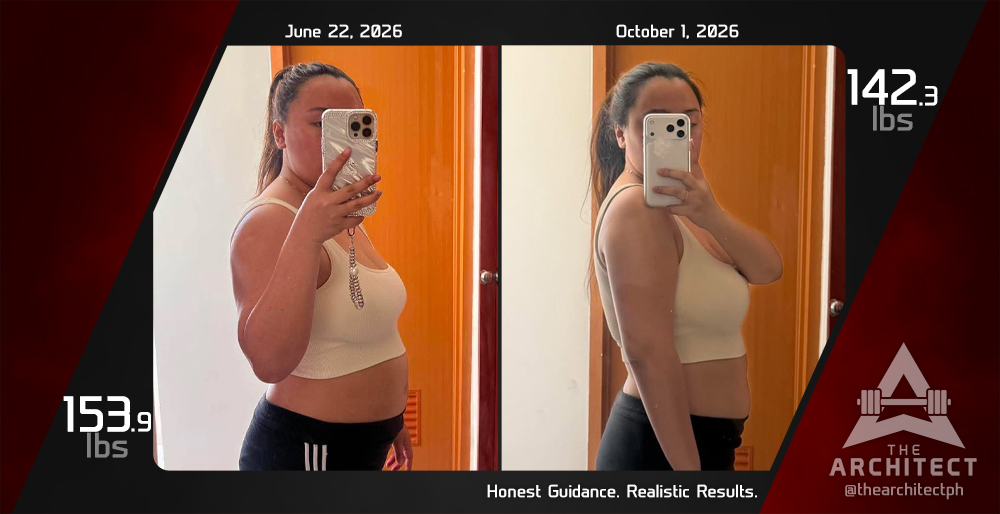
This is what helped Jill overcome PMOS and revert to normal healthy ovaries.
We have been helping women improve on their hormonal issues including PMOS for nearly a decade to the point that various OB-GYNs across the country have been referring their patients to us to help deal with the condition. Jill here, is one of the referrals of our OB-GYN partners too!
If you’re fed up in all the guesswork, then perhaps it’s time to consult with the right professionals.
For a NO BS, honest guidance with realistic results, please do visit https://thearchitect.ph for more info!
 Contact Us
