

How to Keep a Healthy Eating Plan Simple and Easy to Maintain
Most people don’t give up on a healthy eating plan because they aren’t disciplined enough. Instead, they give up because the plan was too hard to follow in the first place. Many well-intentioned plans quietly fall apart within a few weeks. This is because people have to count every gram of food, prepare complicated recipes, and follow rules that don’t work in real life. This makes people feel like their lack of willpower was the problem, not the plan itself.
The good news is that a healthy eating plan doesn’t need to be complicated to work. In fact, the simpler and more realistic it is, the more likely it is to stick.
Why Complexity Is the Enemy of Consistency
The more choices you have to make every day, like how much to eat and keeping track of every ingredient, the more likely it is that the plan will become tiring over time. One big reason people give up on a healthy eating plan, even if it was working, is that it makes them mentally tired.
A few signs your current plan may be too complicated:
- You need a calculator or app to eat a normal meal.
- You think about eating more than you eat.
- You hate cooking meals because it takes so long.
Focus on a Few Core Habits Instead of Strict Rules
You don’t need dozens of rules to make a healthy eating plan work. Most of the benefit comes from a few consistent habits, repeated on a regular basis. Building a healthy eating plan around a handful of core habits, rather than an extensive list of rules, makes it far easier to remember and follow consistently, even on busy or unpredictable days.
Some of the most effective habits to focus on include:
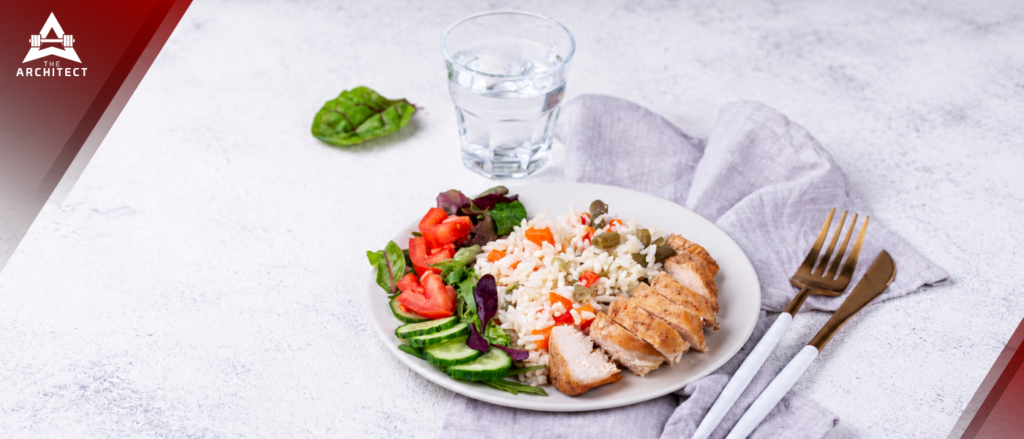
- Have a source of protein with most meals to help keep you feeling full and keep your muscles.
- Eating half your plate of vegetables or fruit whenever possible
- Choosing whole grains or lightly processed carbohydrates over highly refined ones
- Drinking enough water throughout the day. Thirst is often mistaken for hunger
Keep Meal Planning Simple
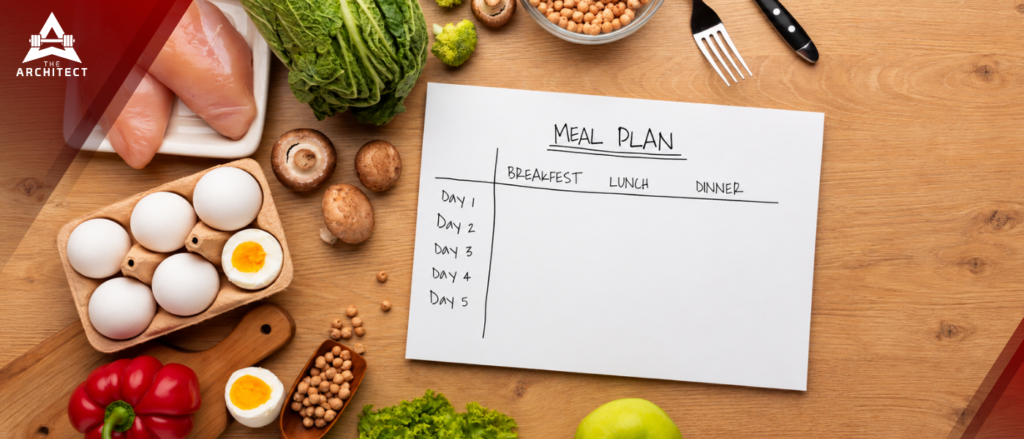
Meal planning doesn’t have to mean cooking fancy, restaurant-style meals every night. In fact, some of the most sustainable diet meal plans rely on a small rotation of simple, familiar dishes, not on constant variety. Healthy meal plans built around simplicity tend to be far easier to sustain than ones requiring a new recipe every single day.
To keep meal planning manageable:
- Pick two or three favorite breakfasts, lunches and dinners to rotate during the week.
- Cook proteins or grains in bulk ahead of time so it takes you minutes, not hours to assemble meals.
- Have a list of basic staple ingredients ready so you don’t have to think too hard when grocery shopping.
- Add in a flexible meal or two each week where you go out to eat or try something new.
Use Flexible Structure Instead of Rigid Restriction
One of the reasons many diet plans fail is that they don’t make room for real life. A flexible structure tends to hold up much better over time rather than all or nothing.
This can look like:
- Allowing yourself to attend socials
- Adjusting portions rather than eliminating entire food groups
- Giving yourself permission to have an imperfect day without abandoning the whole plan
- Treating your eating pattern over a week, rather than a single meal, as the real measure of progress
For example, a heart-healthy diet doesn’t mean being perfect every meal. The foundation is consistent patterns over time, such as consistently choosing lean proteins, whole grains and vegetables, while limiting excess sodium and saturated fat, not eliminating every less-than-ideal food completely.

Make It Easy to Choose the Healthy Option
Being simple is also about where you are. Healthy options should be simple to get to, while less healthy options should require more work than just willpower. It’s likely that you’ll follow through with your plan.
Practical ways to do this include:
- Healthy meal plans and prepped ingredients in plain view and easy to grab
- Storing less nutritious snacks out of sight or not in the house at all
- Easy grab-and-go options for busy days, so convenience isn’t working against you
- Arrange your kitchen so the healthiest choice is the easiest choice
Compare Different Structures Before Choosing One
There’s no one size that fits all and not all healthy eating plans need to look the same. Some people do better with loose structure, others prefer more defined guidance, at least at the start.
A few common structures worth considering include:
- A general meal plan for weight loss built around portion guidance and calorie awareness for people specifically focused on losing weight
- Structured diet meal plans, which offer exact meals for each day and can be useful for people who want to make fewer decisions each day
- Looser healthy diet plans built around general principles, like balanced plates and mindful portions, rather than exact meals
- A heart-healthy diet geared toward reducing sodium and saturated fat for those managing cardiovascular health specifically
There is no inherently better format. It comes down to whether it’s the right choice for your personality, your health needs, and how much structure actually helps you to stay consistent versus how much it starts to feel restrictive. If you’ve tried a restrictive meal plan for weight loss before and found it too hard, then maybe a more relaxed healthy eating plan based on general habits rather than specific foods will be better for you in the long run.
Simplify Grocery Shopping and Kitchen Setup
Even the simplest healthy eating plan can be quietly undermined by a complicated shopping list or a messy kitchen. And less friction at the grocery store and at home makes it a whole lot easier to follow through with what you intended to do when decision fatigue hits later in the day.
A few ways to simplify this part of the process:
- Create a list of staple ingredients that you can repeat, and don’t try to reinvent your grocery list each week.
- Stock your fridge and pantry with healthy staples and remove all the unhealthy temptations.
- Buy pre-washed or pre-cut vegetables when you can to cut down on prep time.
- Keep a handful of diet meal plans on hand for those weeks when you’re just too exhausted to plan from scratch.
Small changes like these remove friction from the process, making it easier to follow your plan consistently without relying purely on motivation.
Track Progress Without Overcomplicating It
Tracking can be helpful, but it doesn’t need to be detailed or time-consuming to be effective. Overly complex tracking systems often become another reason people give up.
Simple ways to stay aware of progress include:
- Keeping a simple food journal of what you ate and roughly how much you ate
- Pay attention to hunger and fullness cues, not numbers
- Weekly check-in vs. obsessive tracking of every single day
- Notice non-scale victories, like energy levels or how your clothes fit
A healthy eating plan supported by light, consistent tracking tends to be more sustainable than one built around obsessive measurement.

Revisit and Adjust as Needed
Even a simple plan may need to be adjusted from time to time as your schedule, preferences or goals change. Viewing your eating plan for weight loss or general health as flexible rather than set in stone forever makes it easier to be consistent long term.
A few times a year, it’s worth asking:
- Does this still fit my current schedule and lifestyle?
- Am I still enjoying the meals I’m eating regularly?
- Are there parts of the plan that feel unnecessarily complicated now?
Making small adjustments along the way, rather than waiting until the plan feels completely unworkable, keeps a healthy eating plan realistic and far less likely to be something you eventually abandon altogether.
FAQs
How do I make healthy eating simple to maintain long term?
It’s usually much easier to stick with a few consistent habits, like eating protein and vegetables with most meals, than it is to stick with a complex set of strict guidelines that you have to constantly keep track of.
Is meal planning necessary to eat healthy?
Not exactly, but making even a rough plan for the week, with two or three meals that you can eat again and again, can make healthy eating a lot easier and cut down on unhealthy choices you make at the last minute.
Can I still enjoy treats on a healthy eating plan?
Yes. Most sustainable approaches allow for the occasional treat, because healthy eating is generally about overall patterns over time, rather than avoiding every less-than-ideal food completely.
Ready to Simplify Your Approach to Eating?
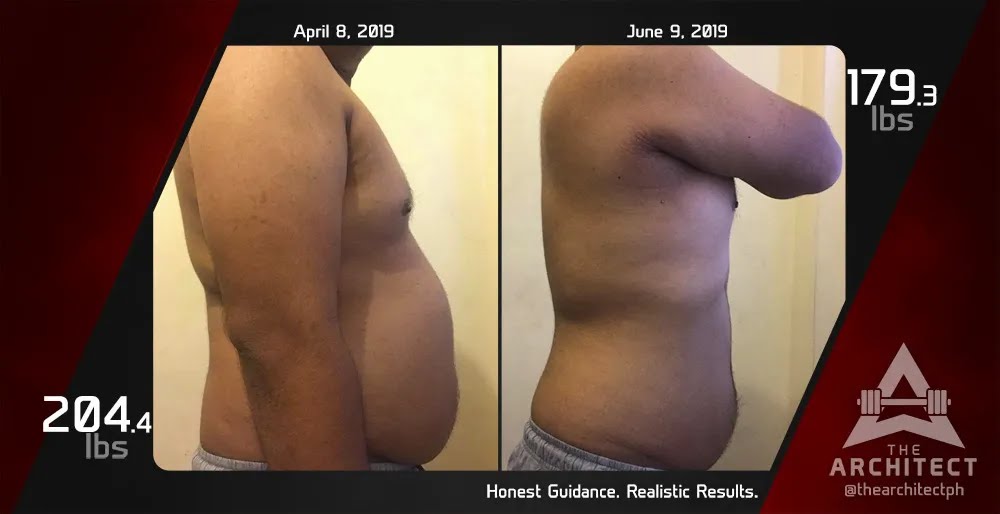
The Architect PH helps clients develop sustainable eating habits that are realistic, not overwhelming. For over 9 years we have helped thousands of clients get real results and lasting body transformation by focusing on simplicity and consistency rather than complicated rules.
If you’re ready to have a healthy eating plan that actually works for your life, reach out to The Architect PH and let’s build one together.
 Contact Us

