
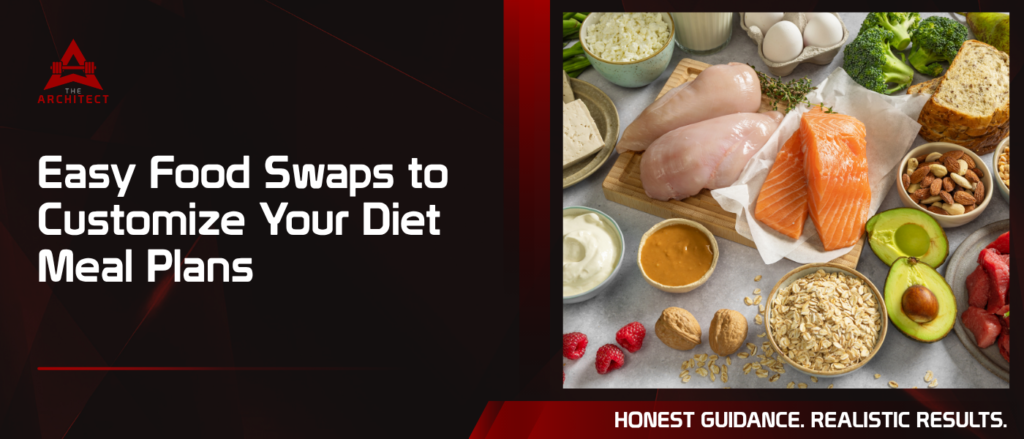
How to Adjust Diet Meal Plans With Simple Food Substitutions
It’s impossible to stick to even the best-thought-out diet meal plans. You can’t get an ingredient, the recipe calls for a food you don’t like, or the dish costs too much for your budget. A lot of people give up when that happens because they think the plan is broken. In fact, a good plan can change. You can change your meals without throwing off the balance that made the plan work in the first place by making a few simple changes.
Why Substitutions Work
Most diet meal plans are based on groups of foods and how much of each to eat, not specific brands or ingredients. Chicken is on the menu because it’s a lean protein, not because it’s the only protein on the table.
When you think of meals as groups of roles, like protein, carbs, vegetables, and fat, then swapping is a lot easier. As long as the replacement does the same job, the meal will still do what it is supposed to do.
Start With the Role of the Ingredient
Before swapping anything, ask what the ingredient is doing in the meal. This simple question prevents most substitution mistakes:
- Is it the main protein? Replace it with another protein source.
- Is it a starchy carbohydrate? Replace it with another carb of similar portion size.
- Is it adding creaminess, crunch, or flavor? Replace it with something that provides the same texture.
- Is it adding bulk and fiber? Replace it with another vegetable.
Easy Protein Swaps
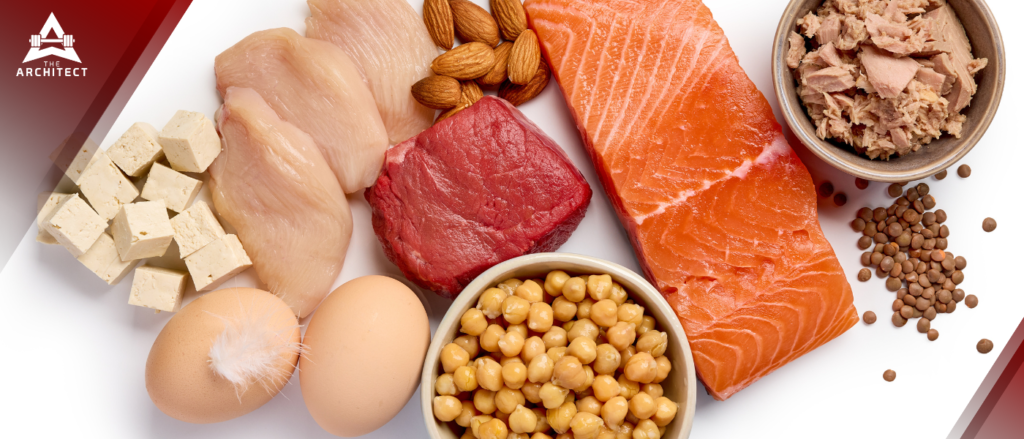
Protein is often the most expensive or least favorite component of a meal, so it’s the most common thing people want to change. Good like-for-like changes include:
- Chicken breast for fish, lean pork, or turkey
- Fish for eggs, tofu, or canned tuna
- Ground beef for ground turkey, chicken, or lentils
- Tofu for tempeh, eggs, or chickpeas
Keep portion sizes similar. A palm-sized serving of one protein generally translates to a palm-sized serving of another, though plant proteins may need slightly larger portions to feel as filling.
Carbohydrate Swaps
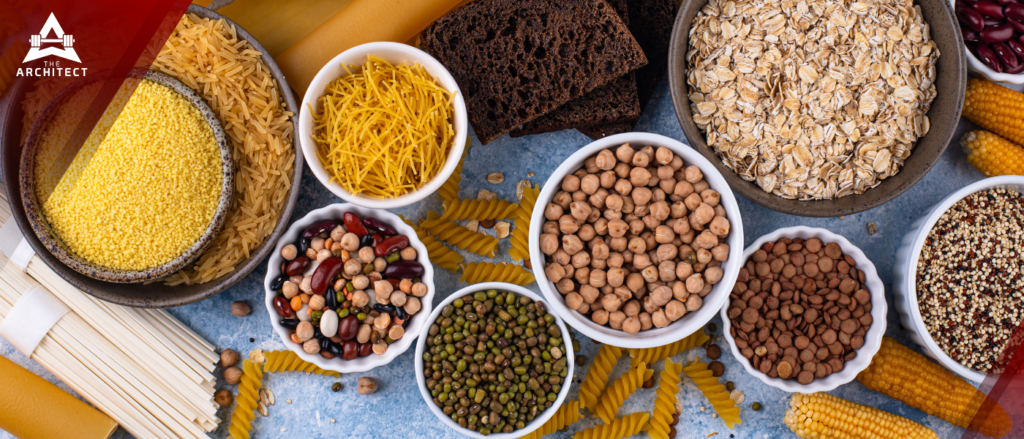
Carbohydrates are flexible. What you eat will depend a lot on what is available where you are. Corn, bread, oats, potatoes, tomatoes, and pasta can frequently replace one another. If your recipe uses white rice, you can substitute black/red rice, quinoa, or less rice and more vegetables.
Your weight loss meal plan should include more fiber-rich carbohydrates, such as beans, oats, and whole grains. These carbs will keep you full with fewer calories.
Dairy and Fat Swaps
If dairy does not suit you, unsweetened soy, almond, or oat milk and plant-based yogurt are practical replacements. Choose fortified versions when possible to keep calcium intake steady. For fats, olive oil, avocado, nuts, and seeds can substitute for one another in small amounts.
Remember that fats are calorie-dense, so measure them loosely when you swap, especially in healthy meals for weight loss, where a tablespoon of oil can quietly add up.
Vegetable and Fruit Swaps
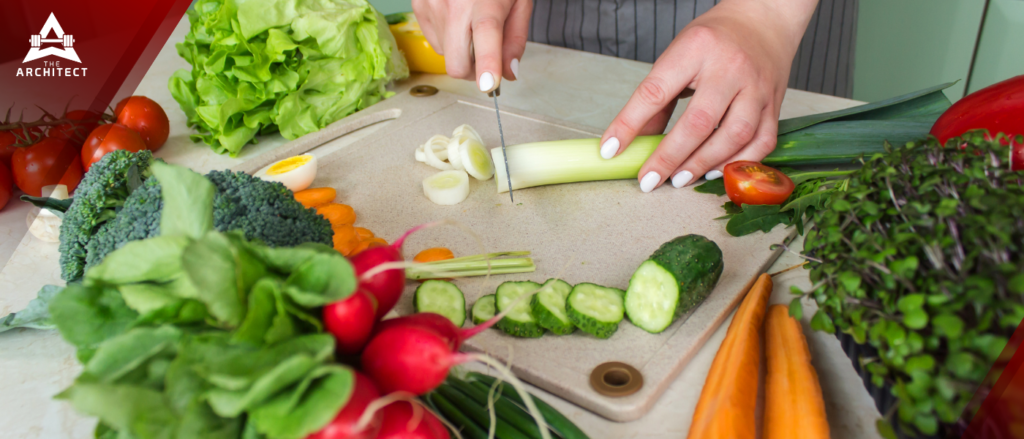
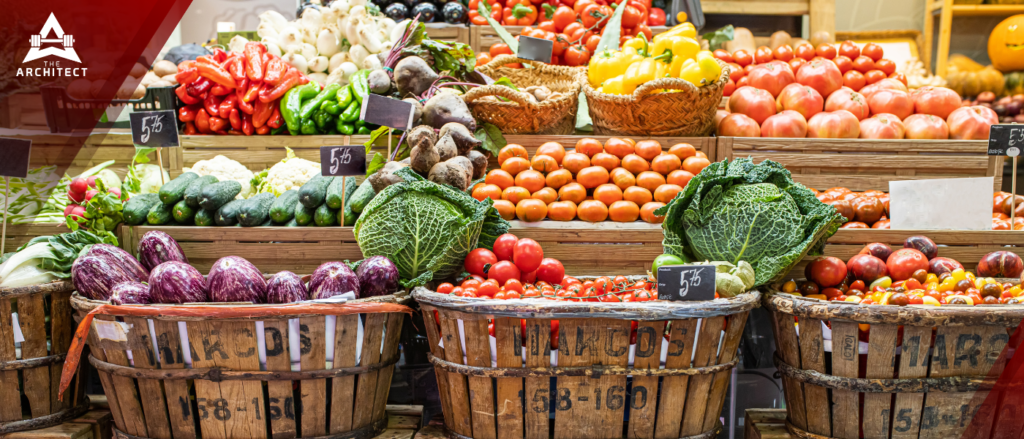
Vegetables are the easiest food group to swap because most have similar calorie levels. Spinach can replace kale, green beans can replace broccoli, and cabbage can replace lettuce. Fresh, frozen, and canned vegetables all work, so use whichever is cheaper or easier to store. Fruit swaps are similarly simple: an apple can replace a pear, and berries can replace mango, though dried fruit and juice are less filling and easier to overeat.
Adjust the Recipe, Not Just the Ingredients
Sometimes the simplest change is in how a dish is cooked or finished:
- If you don’t want to deep fry, you can bake, grill, steam, or air fry.
- Heavy sauces should not be used. Instead, use herbs, spices, citrus, or vinegar.
- You can use Greek yogurt or blended vegetables instead of cream.
- If you use a nonstick pan or a splash of broth, you can cook with less oil.
- To make a dish last longer and give you more fiber, add more vegetables.
These tweaks make a diet plan for weight loss easier to follow because the meals stay satisfying without needing extra calories.
Swaps for Busy Weeks and Meal Prep
Making changes also speeds up the cooking process. If you don’t have any fresh herbs, you can use dried ones instead. If you don’t have time to chop vegetables, you can buy them already cut up or frozen. Beans or rice that have already been cooked in a can can cut down on the time it takes to cook a dish.
When you cook in bulk, pick foods that reheat well, like grilled chicken, roasted vegetables, and cooked grains. It’s much easier to stick to healthy meal plans when the ingredients don’t clash with your schedule. Also, diet plans that let you make quick changes are less likely to be abandoned during busy weeks.
You can make a lot of healthy weight loss meals with just protein, vegetables, and a small amount of carbs. Then you can add different sauces and seasonings to make them more interesting.

Swapping for Allergies, Preferences, and Budget
When your needs are very specific, substitutions are very helpful. If you have an allergy, switch out the bad ingredient for a safe food from the same group, and read the labels very carefully. Instead of meat, eat beans, lentils, tofu, eggs, or plant-based foods.
If money is tight, pick cheaper cuts, fish in a can, or seasonal fruits and vegetables. When making a healthy meal plan, it’s best to include foods that you can afford, handle, and enjoy.
Adjust Portions When You Swap
To get the same amount of calories or fullness, you may need to change the amount you eat. In terms of calories, nuts have more than fruit, and cooked lentils are fuller than white rice. Start with the portion size that’s written in the plan, and then make changes over the next few days based on how hungry and energized you feel.
If you stay full for three to four hours, the swap will work. Without having to weigh each food item, this little check makes sure that diet meal plans are correct. Eating less of a food that is high in calories can really help you lose weight. Small amounts of this food can add up over time.
Seasonal and Local Swaps
Food that is in season and locally available is often more flavorful and less expensive. If a vegetable on a plan is expensive or hard to find, substitute it with one that is in season. This also adds some variety, which keeps diet plans interesting in the long term.
A weight loss diet plan is most effective if it contains ingredients that you can easily buy and cook with confidence. Convenience is often the deciding factor. By building diet meal plans around local foods, healthy eating becomes more affordable and more sustainable over time.
A Quick Swap Guide
| If the plan says | You can use | Why it works |
| Chicken breast | Fish or tofu | Similar lean protein |
| White rice | Brown rice or camote | Similar carb role |
| Spinach | Green beans or cabbage | Similar low-calorie volume |
| Cow’s milk | Fortified soy milk | Similar calcium and protein |
| Sour cream | Greek yogurt | Similar creaminess, more protein |
Common Substitution Mistakes to Avoid
A few errors can throw a meal off balance:
- Switching between food groups, like switching a protein for a carb
- Not paying attention to serving sizes, especially for nuts, oils, and sauces
- Picking “healthy” foods that have extra fat or sugar
- It’s hard to tell what works when too many things are changed at once.
When in doubt, change one ingredient at a time and see how the meal tastes and fills you up.
Keep Notes and Refine Over Time
List your favorite and least favorite swaps. In a couple of weeks you are going to have your own list of reliable substitutions, and it will make planning faster. You can also track how each swap affected your hunger, energy, and your wallet, so you’ll know which ones are worth repeating.
A simple notes app or a small table with the original food, the replacement, and a quick rating is enough to keep track. This is why diet meal plans are so personal; they’re dictated by your tastes, your kitchen, and your routine, not a template.

FAQs
Can I substitute ingredients in a meal plan?
Yes. You can usually swap one ingredient for another as long as it plays a similar role, such as replacing one lean protein with another or one vegetable with a similar one.
Can I swap fresh ingredients for frozen ones?
Yes. Frozen fruits and vegetables are often just as nutritious as fresh and can be a more convenient, budget-friendly option.
What should I do if I dislike or cannot eat a food in my plan?
Replace it with a food from the same category, such as another protein for a protein, and keep portion sizes similar. You can also swap a whole meal for another of the same type, such as one breakfast for another.
Make Your Plan Work for Your Plate
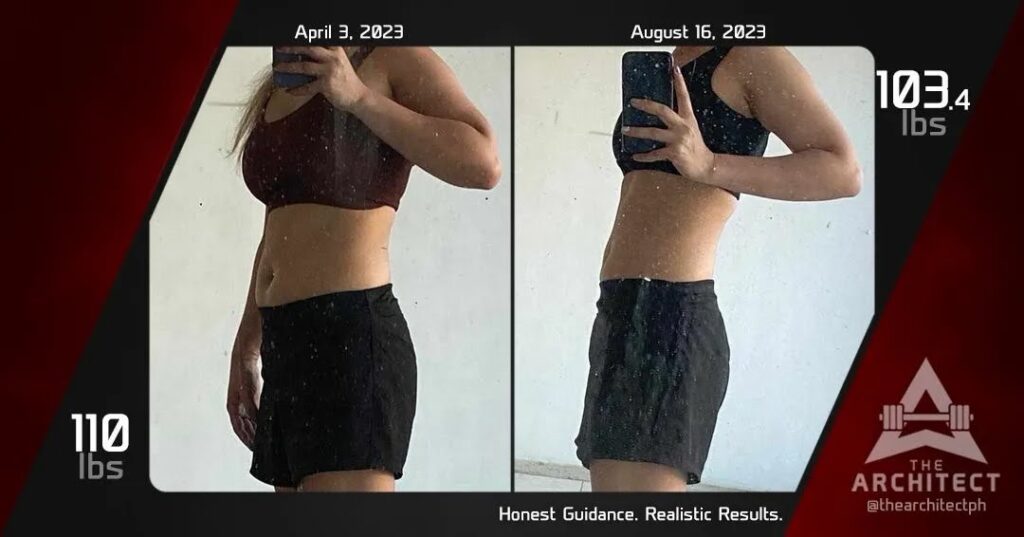
A plan should adapt to you, not the other way around. At The Architect PH, personalized nutrition and lifestyle coaching helps clients adjust their meals to fit their tastes, budget, and daily routines. With more than 9 years of experience and thousands of clients, the focus remains on sustainability and permanence.
To build a plan that flexes with your life, reach out to The Architect PH today.
 Contact Us

