

Most people know what they should be eating. The challenge is trying to fit meals in around meetings, commutes, and gym sessions. A weekly menu planner solves this by treating meals like any other appointment: planned ahead of time, with a known place in your day.
Start With a Map of Your Week
Write down the times you work, travel, work out, and have other regular obligations. This shows when meals should be eaten and when you might want to eat something quick. A weekly menu planner that is based on your schedule is the best kind.
Anchor Your Meals Around Fixed Points
Your work day and workouts are the fixed points, so build meals around them:
- Before work: A simple, repeatable breakfast saves time on rushed mornings.
- Midday: Schedule lunch at a consistent time, even if it is a short break.
- Around workouts: Plan a lighter meal or snack one to two hours before training, and a proper meal afterward.
- Evening: Keep dinner simple on low-energy days.

Spread Meals Evenly Across the Day
Long gaps between meals can cause you to overeat later on. Attempt to eat every three to five hours and have a small snack on hand for days when meetings make lunch a question mark.
Assign Different Days Different Roles
Weekly meal plans work better when days are matched to the schedule:
- Busy days: Rely on prepped meals or quick assembly options.
- Workout days: Plan the post-exercise meal in advance.
- Rest days: Use the extra time to prep for the week ahead.
- Flexible days: Leave a meal or two open for social plans.

Use a Simple Prep Day
Choose one or two short windows each week, such as Sunday afternoon, to cook proteins, grains, and vegetables in bulk. A one week meal plan is far easier to follow when most of the cooking is already done.
Keep the Format Simple
A basic menu planner can be anything from a digital notes app, a detailed spreadsheet, a simple printed table or whiteboard — whatever you prefer. No matter what format you choose you will find that for many, a structured diet weekly meal plan that revolves around only 3 or 4 core meals that rotate is much more sustainable and manageable in the long run than trying to cook a new recipe every single day.
Review and Adjust Weekly
Review your menu planner every week at the end of the week and write down which meals worked well and which ones were hard to stick to. By changing the times of your meals or the recipes you use, you can make your schedule more in line with your changing work and workout schedule.

FAQs
How do I start planning meals for the week?
Begin with just three or four days of simple meals and then expand to the full week when the routine is comfortable.
How many meals should I plan per week?
It depends on what you normally do. Some people plan all of their meals, while others only plan three to five dinners and let breakfast and lunch go as they please.
How do I plan meals when my schedule changes every week?
First, look at your schedule. Then, match the amount of work you put into each meal to the day. When you’re really busy, use quick meals or slow cooker recipes. Also, always have a backup meal ready in case something comes up.
Ready to Build a Plan That Fits Your Schedule?
Planning meals around work and exercise is mostly about timing and structure, not complicated recipes. A weekly menu planner turns healthy eating into something that fits your schedule instead of competing with it.
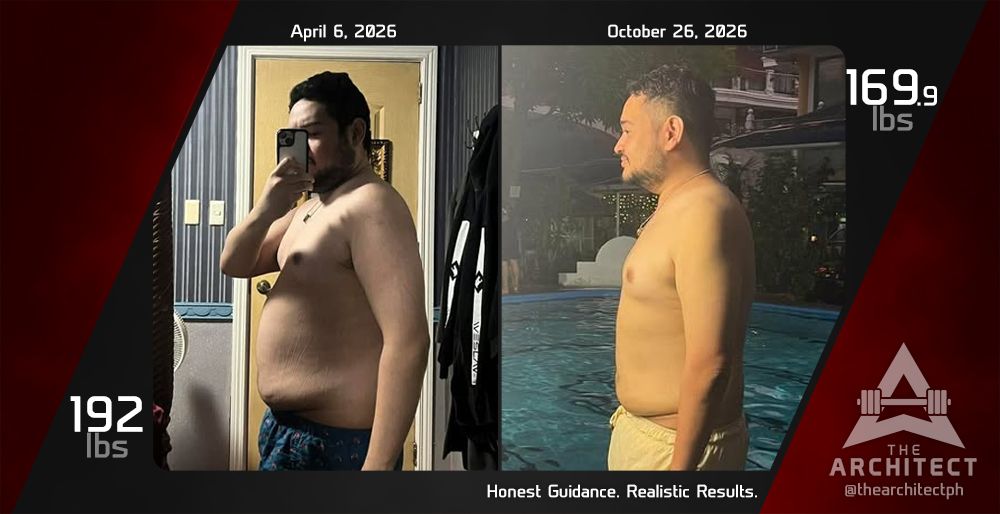
The Architect PH provides personalized nutrition and lifestyle coaching to promote healthy eating. We’ve helped thousands of clients create real-life routines and maintain results for over 9 years. If you’re ready for a plan built around your schedule, reach out to The Architect PH today.
 Contact Us

