

Diet Plan for Weight Loss: Common Factors to Consider Before Starting
Starting a diet plan for weight loss can feel overwhelming, especially with so many trends, meal delivery services, and conflicting advice online. In the Philippines where rice, fried foods and sweet treats are part of everyday culture, creating a plan that actually fits local eating habits is just as important as following general nutrition principles.
Recent national nutrition data shows that a large percentage of Filipino adults are now obese, and the numbers are still increasing. This makes having a realistic, sustainable approach to eating more relevant than ever, not just for the esthetics, but for long term health.
Understand That Weight Loss Comes Down to a Calorie Deficit
The conclusion is that a diet plan for weight loss works because it creates a calorie deficit, which means that you consume less energy than your body burns.
That said, not all calorie deficits are created equal. A few things to keep in mind:
- Very low-calorie diets can be hard to maintain and can lead to nutrient deficiencies.
- In general, a moderate deficit will produce more consistent and long-term results than a drastic restriction.
- The general consensus is that it is safe and sustainable to lose about half a kilogram a week.
Rather than chasing the fastest possible results, aim for a deficit you can realistically maintain for months, not just days.
Factor In Your Activity Level and Lifestyle
Your daily routine will play a large role in how your weight loss plan is structured. If you have a physically demanding job or exercise regularly your energy needs will be different than someone who lives a mostly sedentary lifestyle.
Before committing to any plan, consider:
- How active you are on a typical day (commuting, work, exercise)
- Whether you have time to prep meals regularly or need simpler grab-and-go options
- How flexible you need to be for family meals, work lunches, or social gatherings that are particularly common in Filipino culture
Consider Local Food Culture Instead of Working Against It
One mistake is to follow diets that depend on foreign ingredients or eating patterns that are not representative of what is actually available or familiar. In the Philippines, rice is often seen as the enemy of weight loss but it doesn’t have to be completely eliminated.
Instead, healthy and effective diet plans
- Do not cut out rice altogether but replace it with a lower glycaemic rice version such as black or red rice
- Including local protein sources such as bangus, tilapia, chicken, and eggs for a much more sustainable and easier preparation
- Adding more vegetables to traditional dishes without changing their overall flavor
Look Into Whether Professional Guidance Makes Sense
Not everyone requires a nutritionist or dietitian to lose weight successfully, but if you want to do it right, especially those with underlying health conditions, professional guidance can be a game-changer. In the Philippines, registered nutritionist-dietitians (RNDs) can help customize an eating plan to fit health needs, food preferences, and daily routines.
Signs it might be worth consulting a professional include:
- Having a medical condition such as diabetes, hypertension, or thyroid issues
- Struggling repeatedly with the same weight loss and regain cycle
- Feeling unsure how to structure meals around Filipino staples while still losing weight

Check Whether the Plan Includes Enough Protein and Fiber
Many diet plans focus on reducing calories while ignoring the importance of protein and fiber, both of which are essential in controlling hunger. Both are needed, otherwise even a good plan can feel impossible to stick to after a few weeks.
Signs that a nutrition plan is computed right:
- Most meals include lean protein sources (chicken breast, fish, egg)
- Fruits or vegetables for fiber, which helps with fullness and digestion
- Whole grains or measured portions of rice in place of highly processed carbs
Don’t Overlook Hydration and Sleep
Nutrition is getting all the attention, but hydration and sleep are much more important to weight loss success than most people realize, especially in a tropical climate like the Philippines where dehydration is common.
A few things worth keeping in mind:
- Dehydration may cause hunger which can lead to unnecessary snacking throughout the day.
- Poor or irregular sleep can cause hunger pangs, making cravings more difficult to control.
- Long commutes and unpredictable work hours common in Metro Manila and other cities subtly affect hydration and sleep quality without people realizing it.
Compare Weight Loss Programs Before Committing
With so many weight loss programs available today, from mobile apps to meal delivery subscriptions to in-person coaching, it’s worth comparing a few options before settling on one. Not every program is right for every lifestyle, and the most popular program is not necessarily the best for you.
When comparing weight loss programs, consider:
- Whether the program relies on extreme restriction or teaches sustainable habits
- How well it accounts for Filipino food culture and local ingredients
- Whether it includes support for building long-term habits, not just short-term results
- The cost and whether it fits realistically into your budget
- There is an actual support during that duration of the engagement rather than just sending you the plan and leaving you to it

Build in a Way to Track Progress and Adjust
A plan that isn’t reassessed eventually stalls because the body adapts to whatever routine it’s put on. Regular check-ins can help you see when something needs to change before it is frustrating.
Useful ways to track progress include:
- Weigh-ins at regular intervals under the same conditions e.g. same time of day, once a week.
- Pay attention to how your clothes fit; many times that is a better gauge than the scale weight changes alone.
- A simple food log or tracking app can help you recognize patterns (e.g. consistently under-eating or over-eating on certain days)
- Reevaluating portion sizes or activity levels every couple of weeks instead of waiting until you’re totally stalled out.
Set Realistic Expectations From the Start
Unrealistic expectation set at the very beginning is one of the biggest reasons people give up on a weight loss plan. The plan is working , but you are expecting dramatic changes to happen within days . This often leads to disappointment and giving up early .
Instead, it helps to:
- Focus on gradual, steady progress rather than rapid transformation
- Track progress through multiple markers, such as energy levels and how clothes fit, not just the scale
- Understand that occasional setbacks, like a heavy meal during a celebration, don’t undo overall progress
Watch Out for Emotional and Social Eating Triggers
Food in the Philippines is rarely about hunger. Birthdays, fiestas, condolences, even just catching up with friends, all often revolve around eating together and that makes emotional and social eating one of the most overlooked factors in any weight loss plan.
A few patterns worth being aware of:
- Stress, boredom, or exhaustion after a long commute can trigger eating that has nothing to do with actual hunger
- Turning down food at a family gathering can feel socially uncomfortable, leading many people to eat more than intended just to avoid awkwardness
- Using food as a reward after a hard day at work is common, but can quietly undo an otherwise well-structured plan
Identifying these triggers doesn’t mean cutting out celebrations or family meals altogether. It means building in enough awareness and flexibility into your plan that one gathering or one stressful week doesn’t result in abandoning the plan altogether.
A weight loss diet plan that looks at food only, and not the emotional and social context around eating, often misses one of the biggest reasons why people struggle to be consistent.

FAQs
How many calories should I eat per day to lose weight?
That depends on your variables such as age, activity levels, size of your body and medical history. For many adults, a moderate calorie deficit is a safe way to make steady progress, rather than going too low.
Is it possible to lose weight without giving up rice?
Yes. Many effective diet meal plans for weight loss replace regular white rice with lower glycaemic rice options rather than eliminating rice completely, especially when paired with more protein and vegetables at each meal.
How fast should I expect to lose weight on a diet plan?
A safe and sustainable pace is generally around half a kilogram per week. Faster results are possible but are often harder to maintain and more likely to result in regained weight later on.
Ready to Build a Plan That Fits Your Life?
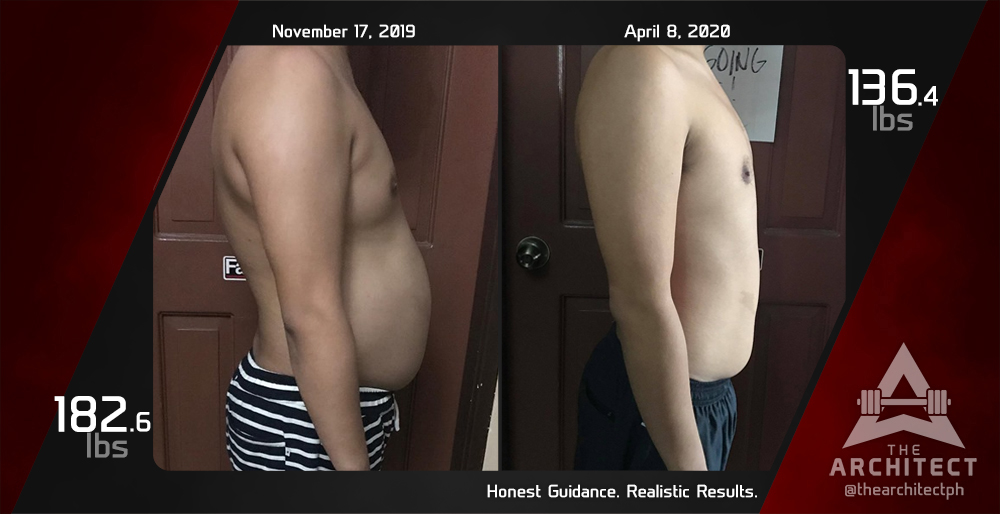
At The Architect PH, we help people build sustainable eating habits that lead to real, lasting body transformation, without asking you to give up the foods and culture you grew up with. For over 9 years, we’ve helped thousands of clients lose weight and keep it off for good through personalized coaching built around sustainability, not restriction.
If you’re ready for a diet plan for weight loss that actually fits your lifestyle, reach out to The Architect PH and let’s build one together.
 Contact Us
